
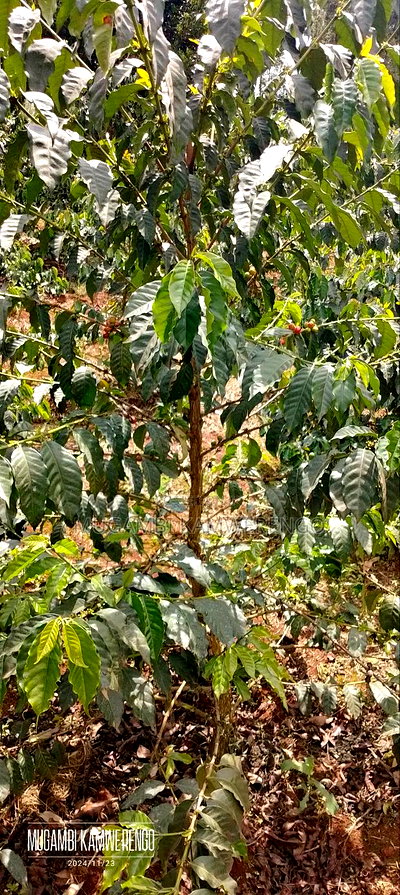
KES 14,000,000
Coffee Plantation 4 Acres
Nginda, Embu
1 verified plot in Nginda — ready titles, vetted agents, transparent pricing.
KES 14,000,000
Nginda, Embu
Nginda is a ward in Embu County, located east of Embu town. The area is predominantly agricultural, with farming as a main land use. Currently, there is 1 land listing available in Nginda, with popular sub-areas including Central Ward, Gaturi South, and Kagaari South. Browse the listings below to find your ideal plot.
Nginda is a ward in Embu County, located east of Embu town. The area is predominantly agricultural, with farming as a main land use. Currently, there is 1 active land listing in Nginda, with a median price of KES 14,000,000. The price range is KES 14M — KES 14M.
Nginda is accessible via a major road connecting Embu and Meru, making it a convenient location for those looking to invest in agricultural land or a rural home. Embu County, situated on the eastern slopes of Mount Kenya, is known for its coffee, tea, and macadamia farming. The terrain ranges from highlands near Mount Kenya to lower-lying savannah in the east.
For buyers seeking a quieter, rural setting with good road access, Nginda offers a unique opportunity. The area is part of a county that is within a few hours' drive northeast of Nairobi via the A2 highway.
Data current as of July 2026. Inventory refreshed continuously.
Trusted by buyers across Kenya
Verified agents. Transparent listings. Built for the Kenyan market — since 2020.
Refine your search
Market data
Live aggregate. Updated continuously from active listings.
Real people, real expertise
Vetted local experts. No middlemen, no inflated commissions.
Expand your search
Quick estimate
Kenyan land purchases carry stamp duty, advocate fees, and registration costs on top of the price. Use this calculator for a quick estimate — figures are illustrative; your advocate will confirm exact charges.
Urban includes Nairobi, Mombasa, Kisumu, and most municipal areas.
That's on top of the purchase price.
Estimates only. Your advocate will confirm exact fees based on your transaction. Not legal or tax advice.
1 land listing available. Let our team help you secure the perfect piece of land in this agricultural hub.
10,000+ verified agents across 47 counties.
Typical response: under 2 hours.
Zoning and building regulations for Nginda, Embu County, based on county development control rules.
Low-density residential zone with agricultural uses permitted. Home businesses may be allowed with county approval.
Verified service
Before you buy land in Nginda, ensure the title is genuine and free of disputes. Our title search service verifies ownership and encumbrances with the Ministry of Lands. Price: KES 5,000. Turnaround: 3–5 business days.
No commitment. Pay only when you proceed.
Due diligence 7 checks
Never buy land in Nginda without completing these verification steps:
Conduct an official land search at the Embu Ministry of Lands office to confirm ownership and encumbrances.
Verify the original title deed matches the seller's identity and is not a fake.
Visit the site physically with a surveyor to confirm boundaries and access via the Embu-Meru road.
Check for unpaid land rates at the Embu County Revenue Office.
Search for any caveats, cautions, or court orders registered against the title.
Engage a local advocate to review the sale agreement and conduct due diligence.
Confirm the land is not in a disputed or protected area (e.g., forest reserve).
Infrastructure
Utility status varies across Nginda. Confirm availability of electricity, water, and internet before making a purchase decision.
Nginda is accessible via a major road connecting Embu and Meru. All-weather access to most plots.
KPLC supply is available in parts of Nginda. Connection may require extension from nearest pole.
Piped water is limited; many plots rely on boreholes or rainwater harvesting.
No reticulated sewer in Nginda. Septic tank with soak pit is standard.
4G coverage via Safaricom, Airtel, and Telkom. Fibre is limited to Embu town.
What it's like here
Nginda is a ward in Embu County, located east of Embu town. The area is predominantly agricultural, with farming as the main land use. It is accessible via a major road connecting Embu and Meru.
Nginda is accessible via a major road connecting Embu and Meru. Embu town, the county capital, is a short drive away and is linked to Nairobi and Meru via the A2 highway.
Embu County has a range of primary and secondary schools serving the area. For specific schools in Nginda, local inquiries are recommended.
Nginda is a rural ward with a close-knit community. As with most rural areas in Embu, crime rates are generally low, but standard precautions apply.
Embu town provides shopping, healthcare, and banking services. The area's agricultural character means fresh produce is readily available from local farms.
Local snapshot for Nginda. Verified by Jumuika research; updated periodically.
Market intelligence 4 hotspots
Agricultural land with good road access via Embu-Meru highway. Proximity to Embu town and Mount Kenya region offers long-term appreciation potential.
Administrative and commercial hub with A2 highway connectivity to Nairobi and Meru. Growing demand for residential and commercial plots.
Area near Kiambere Dam and hydroelectric project. Potential for irrigation farming and eco-tourism investments.
Part of the larger Mwea irrigation scheme, known for rice farming. Fertile land with water access, ideal for agri-investors.
As of today, there is 1 land listing in Nginda, Embu. The median price is KES 14,000,000.
The price range for land in Nginda is KES 14M — KES 14M. This reflects the current market for available plots in the area.
Nginda is a ward in Embu County, located east of Embu town. It is accessible via a major road connecting Embu and Meru.
The area is predominantly agricultural, with farming as the main land use. Common crops include coffee, tea, and macadamia, typical of Embu County.
To verify land ownership, conduct an official search at the Ministry of Lands office in Embu Town. This reveals the registered owner, encumbrances, and full land history.
Top sub-areas in Nginda include Central Ward, Gaturi South, Kagaari South, Kiambere, Kirima/Embu, Kithimu, Makima, Mbeti North, Mbeti South, Muminji, Mwea, and Nginda itself.
Yes, Nginda is located east of Embu town and is accessible via a major road connecting Embu and Meru. The A2 highway also connects Embu town to Nairobi and Meru.
How to verify land ownership and avoid fraud when buying land in Kenya. Learn about freehold, leasehold, sectional, and mailo titles under the Land Registration Act 2012.
Always verify title deeds at the Ministry of Lands before making any payment. Never rely solely on documents provided by the seller. Use a licensed lawyer for all transactions.
Absolute ownership of land for an indefinite period. The owner has full rights to use, transfer, and lease the land.
Ownership for a fixed term, typically 99 years, after which ownership reverts to the lessor (usually the government).
Ownership of a unit (apartment or office) within a building, plus shared ownership of common areas.
A historical land tenure system in parts of Uganda, but also found in some Kenyan contexts. Combines freehold and leasehold elements.
| Area | Price per Acre | 1/8 Acre Plot | YoY Change | Demand |
|---|---|---|---|---|
| Central Ward | KES 1.5-3M | KES 200-400K | +10% | Moderate |
| Gaturi South | KES 1.2-2.5M | KES 150-300K | +8% | Moderate |
| Kagaari South | KES 1-2M | KES 120-250K | +5% | Low |
| Kiambere | KES 800K-1.5M | KES 100-200K | +3% | Low |
| Kirima / Embu | KES 1.8-3.5M | KES 250-450K | +12% | High |
| Kithimu | KES 1.5-3M | KES 200-400K | +10% | Moderate |
| Makima | KES 1-2M | KES 120-250K | +6% | Low |
| Mbeti North | KES 1.2-2.5M | KES 150-300K | +8% | Moderate |
| Mbeti South | KES 1-2M | KES 120-250K | +5% | Low |
| Muminji | KES 1.5-3M | KES 200-400K | +10% | Moderate |
| Mwea | KES 1.2-2.5M | KES 150-300K | +8% | Moderate |
| Nginda | KES 1.5-3M | KES 200-400K | +10% | Moderate |
What's coming next
Provides direct access from Nginda to Embu town and Meru, supporting agricultural transport and commuter movement.
Expected to reduce congestion on the A2 through Embu town, improving travel times for Nginda residents heading to Nairobi.
Larger market facilities will boost local farm produce sales, potentially increasing land values in agricultural zones like Nginda.
Improved water supply reliability for Nginda households and irrigation, supporting agricultural productivity.
Most Nginda homesteads now connected to the national grid, enabling small-scale agro-processing and modern amenities.
High-speed internet is expanding from Embu town towards Nginda, supporting remote work and e-learning.
Planned agro-processing zone near Embu town could create jobs and increase demand for land in surrounding areas like Nginda.
Before you buy land in Nginda, verify boundaries with a licensed surveyor. The Survey Act (Cap. 299) requires accurate surveys to avoid disputes and protect your investment.
A proper land survey confirms exact boundaries, size, and ensures no encroachment. In Nginda's agricultural landscape, clear demarcation prevents costly conflicts with neighbours and secures your title deed.
Marks the exact boundary lines of a parcel using beacons and GPS. Produces a registry-index map (RIM) for title registration.
Maps elevation, contours, drainage, and existing features like roads or buildings. Used for planning construction and assessing land suitability.
Subdivides or consolidates land parcels, updating the official records. Creates new title numbers and RIM sheets.
Confirms existing boundary beacons are correctly placed and undisturbed. A quick check before signing a sale agreement.
Know before you buy Compare 3
When buying land in Kenya, it's crucial to understand the different types of land tenure. The Land Act 2012 governs land ownership, and the three main deed types are freehold, leasehold, and sectional title. Each has distinct characteristics that affect your rights, obligations, and long-term plans.
Freehold is the most absolute form of land ownership in Kenya, granting the holder indefinite ownership of both the land and any improvements on it. The owner has full rights to use, transfer, or lease the land without time limits, subject to planning laws and the Land Act 2012.
Buyers seeking permanent family homes, agricultural land, or long-term investment
Leasehold grants ownership of the land for a fixed period, typically 99 years, after which ownership reverts to the lessor (often the government). The leaseholder owns the buildings but not the land itself. Leasehold terms are governed by the Land Act 2012 and the lease agreement.
Urban apartments, commercial properties, or buyers with shorter investment horizons
Sectional title is a form of ownership introduced by the Sectional Properties Act 2020, allowing individual ownership of a unit (e.g., an apartment) within a multi-unit development, plus shared ownership of common areas. It applies to both freehold and leasehold land.
Apartment buyers, townhouse owners, or those seeking low-maintenance living
Step-by-step
Buying land in Kenya involves several legal and procedural steps. This guide walks you through the process, from search to registration, with specific references to Kenyan institutions like the Ministry of Lands and the Land Control Board.
Visit the Ministry of Lands in Nairobi or the relevant county lands office to obtain an official search (encumbrance certificate). This reveals the registered owner, any existing charges, and the land's legal status. You can also engage a private search firm.
Hire a lawyer registered with the Law Society of Kenya to handle the conveyancing process. The advocate will draft the sale agreement, verify documents, and ensure compliance with the Land Control Act (Cap 302) if the land is agricultural.
Once the search is clear, sign a legally binding sale agreement with the seller. Typically, you pay a 10% deposit. The agreement should include a completion period, default clauses, and a clear description of the property.
If the land is agricultural (common in counties like Embu), you must apply for consent from the Land Control Board in the area where the land is situated. This step is mandatory for the transfer to be valid. The board meets monthly.
Pay stamp duty at the Kenya Revenue Authority (KRA) at a rate of 2% for rural land (or 4% for urban). Also pay registration fees at the Ministry of Lands. The advocate usually handles this process.
Submit the transfer documents, including the signed agreement, Land Control Board consent, and proof of payment, to the relevant lands registry. The registry issues a new title deed in your name after processing.
Listings, prices and market statistics on this page are drawn live from the Jumuika database. Descriptive text is AI-assisted and editorially maintained by the Jumuika team.
Are you a real-estate agent?
Agents apply for verification — sign-up here is for buyers and renters.
Apply for agent accessFind your dream home in Kenya
Already have an account?
We sent a 6-digit code to